
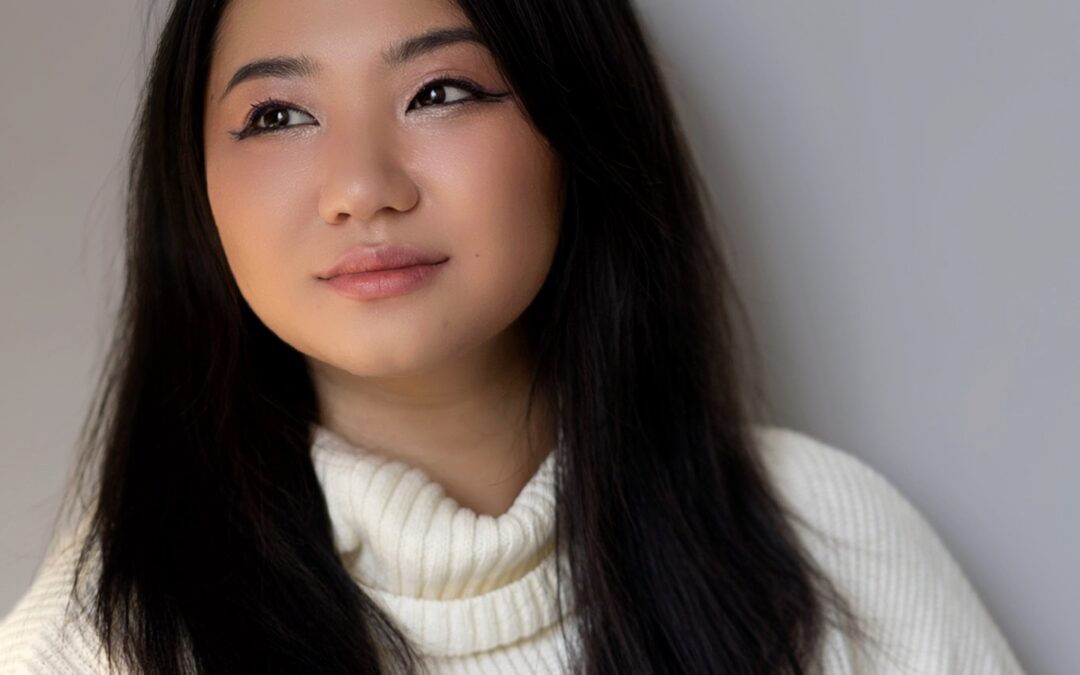
Ursula Vernon, aka T. Kingfisher is the author and illustrator of far more projects than is probably healthy. She has written over fifty novels for both children and adults, an epic webcomic called “Digger” and various short stories and other odds and ends. The daughter of an artist, she spent her youth attempting to rebel, but eventually succumbed to the siren song of paint (although not before getting a degree in anthropology.) Ursula grew up in Oregon and Arizona, went to college at Macalester College in Minnesota, and stayed there for ten years, until she finally learned to drive in deep snow and was obligated to leave the state. Having moved across the country several times, she eventually settled in New Mexico, where she works full-time as an artist and creator of oddities. She lives with her husband, her garden, and his chickens.
I had the opportunity to interview T. Kingfisher, which you can read below
First of all, welcome back to Geeks OUT! Could you tell us a little about yourself?
Sure! I’m T. Kingfisher, I write weird novels, garden, watched birds, and have strong opinions about heirloom vegetables. I’ve lived all over the US, but just moved to New Mexico, where I hope to stay.
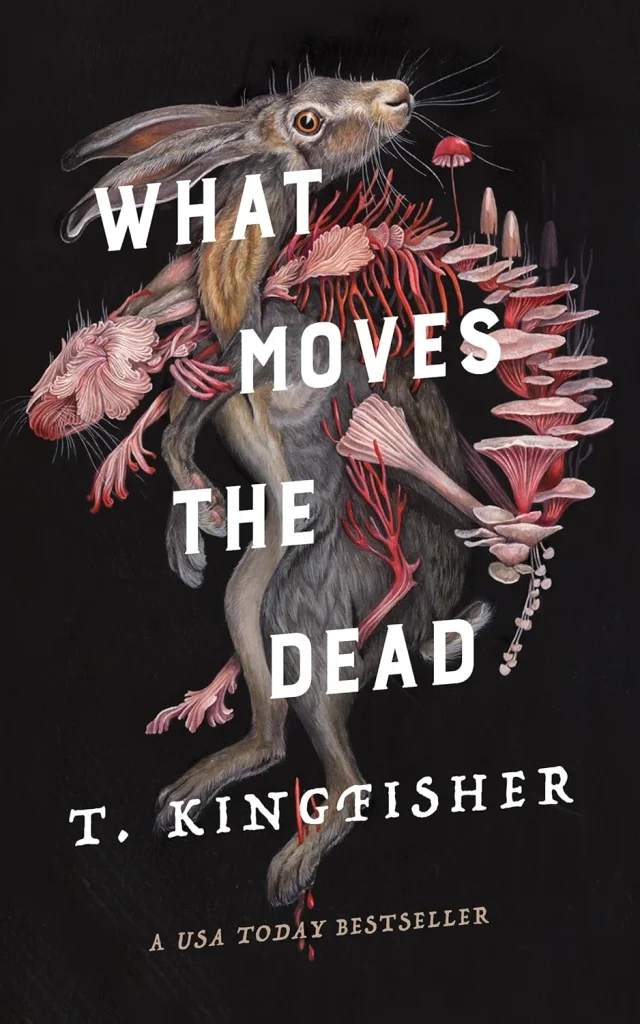
What can you tell us about one of your latest projects, the Sworn Soldier series? What was the impetus for these books?
Some years ago, I re-read The Fall of the House of Usher, which I had read as a kid, and was astounded to find out both how short it was—it looms so large in the cultural gestalt that I always thought of it as a novel, but it’s a short story—and how absolutely useless the narrator was. All he does is wring his hands for twenty-odd pages, then the sister returns from the grave, Roderick Usher screams and falls down, Madeline screams and falls down, and the narrator screams and runs out of the house, which then falls down.
Does he stop to check anyone for a pulse? No. Does he try to drag his friend out of the house? No. He just runs away screaming. This sort of behavior annoyed me, so I started thinking about what it would be like if the book had an actually competent narrator, and along came Alex.
Alex comes from a culture with very complicated linguistics—the joke is that the language has different pronouns for men, women, soldiers, priests, children, rocks and God. As a soldier, Alex is part of a long tradition across a number of cultures where people change their gender for economic reasons—somebody needed to send money home to the family, so Alex signed up and, as they say in the book, “was assigned a rifle and a new set of pronouns.”
When they first rode onto the page at the beginning of What Moves The Dead, pretty much fully formed, I was both baffled and delighted. Here was this retired veteran who was world-weary but hadn’t let that make them bitter, who still had a lot of that stiff-upper lip 19th century military thing going on, full of compassion and PTSD and self-deprecating humor. Where had they come from? I wrote the first one in a kind of daze, and then the next two because it was just so much fun to be Alex when I was writing.
As a writer, you are known for inverting fairytales tropes and themes, as seen in books like Hemlock & Silver and Nettle & Bone. What about fairytales draws you in as a source of inspiration?
Plots are hard. No, really, that’s about half of it. Fairytales and pastiche of old pulp both come with a plot baked in that you can work around and distort and twist, instead of having to come up with something out of whole cloth. The other half is that there’s just so much resonance to fairytales. Most of us absorbed them in childhood and so any reference wakes a whole host of associations. As soon as you say, “Once upon a time, there was a princess in a tower…” you’re calling on hundreds of years’ worth of imagery.
As a writer, what drew you to the art of storytelling, particularly speculative fiction?
On a dark day in my childhood, I discovered that I had read all the talking animal books in the library. I realized that if I wanted more, I was going to have to write them, and that was pretty much it.
How would you describe your writing process?
Well, I get an idea, and then, instead of writing a synopsis down like a normal person, I just start writing the book. I do not plot things, but I often write scenes out of order, so once I have a scene that I know is set somewhere over there, I just kinda aim the book at it.
I usually have two or three manuscripts going at a time, and I have to write a thousand words a day five days a week or the whole system falls apart.
What are some of your favorite elements of writing? What do you consider some of the most frustrating/challenging?
I love writing dialogue, particularly banter. Could write that all day. Sometimes it just flows and it’s an absolute delight.
Editing kills me every time. All the angst of writing but the book is already done in my head and I want to go do something else!
Aside from your work, what are some things you would want others to know about you?
Uh…err…that’s an interesting question. I don’t usually think in terms of what I want people to know. Um…I play Magic: the Gathering, my clothing style is “hippie frump,” I have ADHD like whoa, I watch birds, I know a lot of weird animal facts and I can’t dance for beans.
What’s a question you haven’t been asked yet but that you wish you were asked (as well as the answer to that question)?
How hard is it to write a novella instead of a novel?
Very. There was a point where I was coming through What Moves The Dead taking out individual words and putting in contractions to get the wordcount under 40k.
What advice might you have to give for aspiring writers?
You can just write fiction! Nobody can actually stop you! You don’t need permission or anything, you can just do it.
Are there any other projects you are working on and at liberty to speak about?
There are so many. At the moment I’m working on the sequel to Swordheart, a very weird fantasy romance about a grumpy immortal warrior trapped in a sword. I also need to somehow get the next of my Saint of Steel books written and I have a weird little thing about a retired angel and devil solving crimes in a small village, and…well, there’s a lot.
Finally, what books/authors (LGBTQ+ or otherwise) would you recommend to the readers of Geeks OUT?
Oh gosh. You probably know all the classic ones already, but if you haven’t read Diane Duane’s books—the Young Wizards series, the Book of Night With Moon, or any of the others, they are absolutely brilliant and criminally underrated.

0 Comments